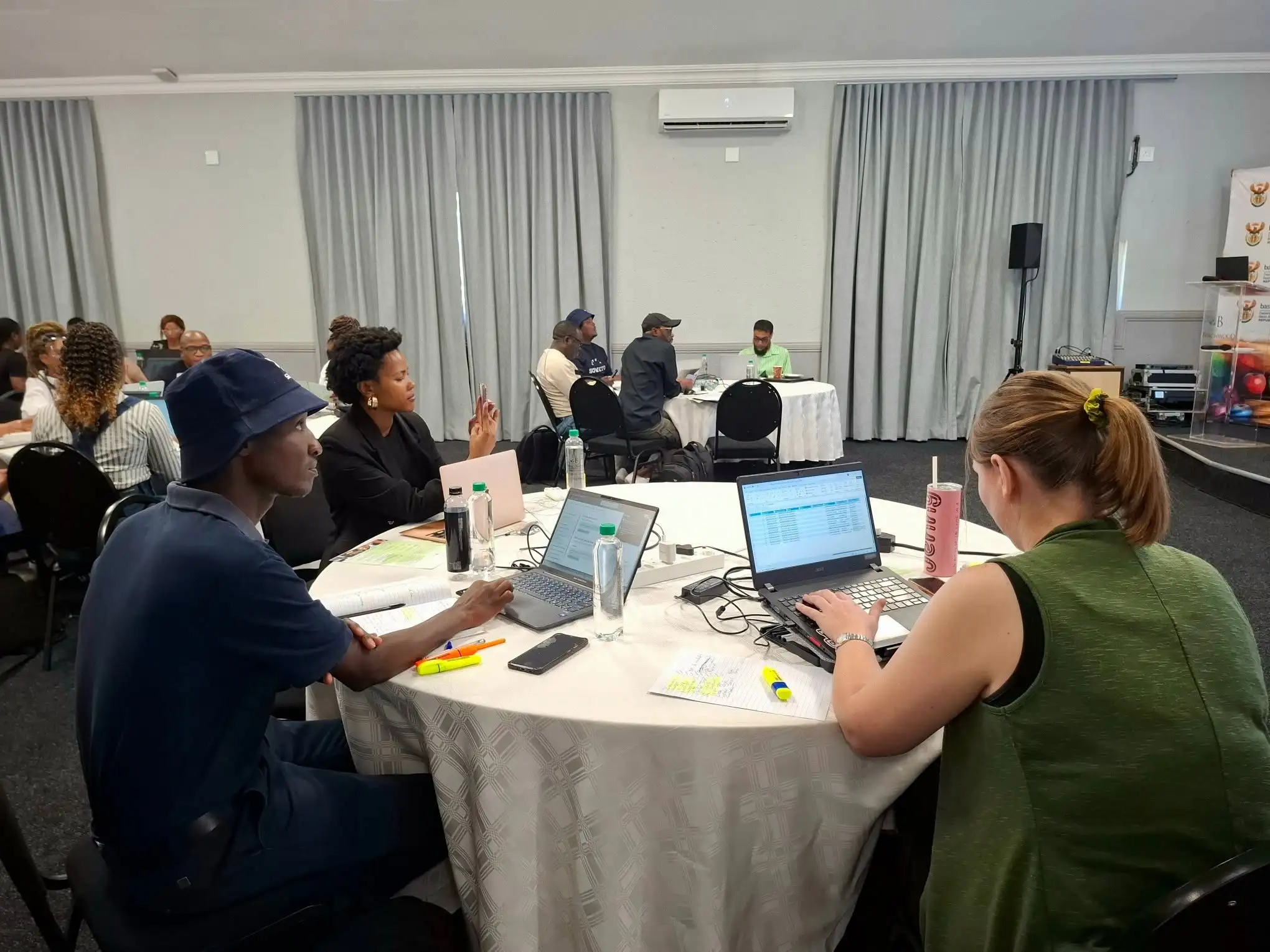

Learnerships can provide young South Africans with an opportunity to gain recognised qualifications, develop workplace skills and gain practical experience. However, completing a learnership is only the beginning. Building a successful career requires commitment, continuous learning, professional networking and the ability to turn training experience into future employment opportunities.
For many unemployed South Africans, finding a first job can be difficult without previous work experience. Employers often look for candidates who understand workplace expectations and can demonstrate practical skills.
This is where learnerships can make a difference.
A learnership combines structured theoretical learning with practical workplace experience. Participants receive training in a particular occupational field while working towards a qualification registered on the National Qualifications Framework (NQF).
Depending on the programme, learners may also receive a monthly stipend to help with expenses during training.
Whether you are interested in information technology, business administration, finance, engineering, hospitality or another industry, a learnership can help you establish a foundation for long-term career development.
Here are practical ways to build a successful career through learnerships in South Africa.
1. Choose the Right Learnership and Industry
One of the most important decisions is choosing a learnership that matches your interests, abilities and career goals.
Rather than applying for every opportunity you find, take time to understand what each programme offers and whether it supports the career you want to pursue.
For example, someone interested in working with computers may consider an IT or digital skills learnership, while someone who enjoys practical work may prefer an engineering or artisan development programme.
Industries to Consider
South Africa offers learnership opportunities across different economic sectors.
Some areas worth exploring include:
| Industry | Possible career pathways |
|---|---|
| Information Technology | IT support, software development, cybersecurity |
| Business Administration | Administrative assistant, office administrator |
| Finance | Bookkeeping, financial administration |
| Engineering | Artisan development, engineering technician |
| Logistics | Warehouse operations, supply chain administration |
| Hospitality | Food and beverage services, hotel operations |
| Agriculture | Agricultural production, farm management |
| Healthcare | Healthcare support and administration |
| Marketing | Digital marketing, sales and customer service |
These are examples of possible career pathways. The actual opportunities depend on the qualification and workplace experience provided by each learnership.
Consider Your Interests and Strengths
Before applying, ask yourself:
- Which industry interests me most?
- What skills do I already have?
- What type of work would I enjoy doing?
- Does the qualification support my long-term career goals?
- Are there opportunities to progress after completing the programme?
Choosing a relevant learnership can help you build skills that are useful beyond the training period.
2. Treat Your Learnership Like a Real Job
A learnership is not simply an opportunity to attend training sessions and receive a stipend. It is also an opportunity to demonstrate your ability to work professionally.
Your conduct during the programme can influence how supervisors, colleagues and potential employers view your performance.
Treat the workplace experience as an important part of your career development.
Develop Good Workplace Habits
Make an effort to:
- Arrive at work and training sessions on time.
- Complete assigned tasks responsibly.
- Follow workplace policies and procedures.
- Respect supervisors, colleagues and customers.
- Meet deadlines.
- Communicate professionally.
- Take responsibility for your work.
- Ask questions when you do not understand something.
These habits can help you develop a reputation as a reliable and responsible employee.
Go Beyond the Minimum Requirements
Do not limit yourself to completing only the tasks assigned to you.
Where appropriate, volunteer to assist with additional activities, learn new systems and understand how different departments operate.
For example, a business administration learner may benefit from learning how filing systems, customer enquiries, spreadsheets and office communication processes work together.
The more practical knowledge you gain, the better prepared you may be for future employment.
3. Learn From Supervisors and Experienced Employees
Happy African Business People Meeting With a Mentor
One of the advantages of workplace-based learning is the opportunity to interact with experienced professionals.
Supervisors and colleagues can help you understand how theoretical knowledge is applied in real working environments.
Take advantage of this opportunity by asking questions, requesting feedback and observing how experienced employees handle different responsibilities.
Find a Workplace Mentor
A mentor can help you identify your strengths, understand workplace expectations and improve your professional abilities.
You can ask an experienced colleague to guide you in areas such as:
- Technical skills.
- Communication.
- Time management.
- Problem-solving.
- Workplace behaviour.
- Career progression.
You do not need to wait for a formal mentorship programme. You can learn from people who are willing to share their professional knowledge.
4. Develop Both Technical and Soft Skills
Empowering Africa’s Youth: Bridging the Digital Skills-afe-Gap
Employers often look for candidates who can combine technical knowledge with good interpersonal and workplace skills.
A learnership gives you an opportunity to develop both.
Technical Skills
Technical skills are the practical abilities needed to perform specific tasks in a particular occupation.
Depending on your programme, these may include:
- Computer literacy.
- Data capturing.
- Microsoft Excel and Word.
- Bookkeeping.
- Customer relationship management systems.
- Machinery operation.
- Technical maintenance.
- Digital communication tools.
Soft Skills
Soft skills influence how you interact with colleagues, customers and supervisors.
Important examples include:
- Communication.
- Teamwork.
- Problem-solving.
- Time management.
- Adaptability.
- Professionalism.
- Conflict resolution.
- Attention to detail.
Try to improve these skills throughout your learnership. They are transferable and can support career progression across different industries.
5. Build a Professional Network
CRSM Agency – Transportation X Digital Marketing
Networking is an important part of career development.
During your learnership, you may interact with supervisors, assessors, training providers, managers and employees from different departments.
These professional relationships can help you learn about your industry and discover future career opportunities.
How to Build Your Network
Consider the following activities:
- Introduce yourself to colleagues and supervisors.
- Participate in workplace activities.
- Attend relevant industry workshops and training sessions.
- Connect with professionals on LinkedIn.
- Maintain positive relationships with your training provider.
- Stay in contact with colleagues after completing the programme.
Networking does not mean asking everyone for a job. It involves developing professional relationships, learning from others and staying informed about opportunities in your industry.
6. Keep Records of Your Work and Achievements
One mistake learners sometimes make is completing a programme without keeping evidence of what they have learned.
Your practical experience can become valuable when applying for future jobs.
Keep a record of:
- Your completed training modules.
- Qualifications and certificates.
- Workplace responsibilities.
- Projects you participated in.
- Software and equipment you used.
- Skills developed during training.
- Positive feedback and achievements.
Where permitted, keep examples of non-confidential work that demonstrate your abilities.
These records can help you prepare for interviews and explain your experience to prospective employers.
7. Update Your CV After Completing the Learnership
Remote Work in South Africa: What’s Realistic in 2026 — CareerJunctionZA
Your CV should reflect the knowledge and experience you gained during your learnership.
Do not simply state that you completed a programme. Explain what you learned and the responsibilities you handled.
What to Include in Your CV
Your CV should include:
- Your completed learnership qualification.
- The training provider or employer.
- The duration of the programme.
- Your practical workplace experience.
- Technical skills developed.
- Relevant projects and responsibilities.
- Additional certificates.
- Your updated contact information.
Example of How to Describe Learnership Experience
Instead of writing:
Completed a Business Administration Learnership.
You could write:
Completed a Business Administration Learnership involving office administration, document management, data capturing, professional communication and workplace procedures.
Only include responsibilities and skills that you actually developed during your programme.
8. Look for Employment Opportunities Before Your Learnership Ends
African Man Having a Job Interview
Do not wait until the final day of your learnership before thinking about employment.
Start preparing for your next career step while you are still receiving training.
Some employers may consider high-performing learners for further opportunities, depending on their operational requirements and available vacancies. However, completing a learnership does not guarantee permanent employment.
Where to Search for Jobs
You can investigate vacancies through:
- Company career websites.
- LinkedIn Jobs.
- PNet.
- Careers24.
- Government recruitment announcements.
- Employer recruitment platforms.
- SETA and training provider announcements.
Look for entry-level positions related to your qualification and practical experience.
For example, someone who completes an office administration learnership may investigate opportunities such as administrative assistant, office clerk, receptionist or data capturer.
9. Continue Learning After Completing Your Learnership
Completing a learnership should not be the end of your skills development journey.
Industries change, technologies improve and employers introduce new systems and working methods.
Continuing to learn can help you remain competitive and prepare for more advanced responsibilities.
Ways to Continue Developing Your Skills
You can:
- Register for additional accredited qualifications.
- Attend professional workshops.
- Complete relevant online courses.
- Learn new computer programmes.
- Improve your communication skills.
- Pursue advanced occupational training.
- Investigate further SETA-supported programmes.
Free and accessible learning resources can also help you develop additional skills.
Examples include:
Choose courses that support your career interests rather than collecting certificates without a clear purpose.
10. Understand the Role of SETAs in Career Development
Sector Education and Training Authorities (SETAs) play an important role in skills development in South Africa.
They support skills development initiatives in different economic sectors, including learnerships, internships, skills programmes and other training opportunities.
Examples include:
| SETA | Sector focus |
|---|---|
| Services SETA | Services and business-related occupations |
| MICT SETA | Media, information and communication technology |
| BANKSETA | Banking and financial services |
| AgriSETA | Agriculture |
| CATHSSETA | Culture, arts, tourism, hospitality and sport |
| ETDP SETA | Education, training and development |
| HWSETA | Health and social development |
| INSETA | Insurance |
| merSETA | Manufacturing, engineering and related industries |
Students and job seekers can monitor SETA announcements and employer recruitment platforms for suitable skills development opportunities.
A SETA-supported programme may provide a structured route towards developing occupational skills, but applicants should always check the specific qualification, accreditation and programme conditions.
Career Progression After a Learnership
A learnership can provide a foundation for several possible career steps.
A possible career development pathway
Learnership
Gain theoretical knowledge and practical experience
Entry-level employment
Apply your skills in a working environment
Further training and experience
Develop specialised knowledge and qualifications
Career advancement
Progress towards more specialised or senior responsibilities
This is an illustrative pathway. Career progression depends on qualifications, experience, vacancies and employer requirements.
Practical Checklist for Learnership Success
Use this checklist to monitor your progress throughout your programme.
My learnership progress
0/11 completedChoose a learnership that matches my career interests.Understand the qualification and programme requirements.Attend training and workplace activities consistently.Complete assignments and workplace responsibilities.Ask supervisors for feedback.Develop technical and communication skills.Build professional relationships.Keep records of completed work and achievements.Update my CV before the programme ends.Start searching for relevant employment opportunities.Identify further training and career development options.
Reset checklist
Frequently Asked Questions
1. Can a learnership help me get a permanent job?
Yes, a learnership can improve your employment prospects by providing practical workplace experience and a recognised qualification. Some employers may consider learners for permanent positions, but employment is not guaranteed.
2. Do learnerships provide monthly stipends?
Some learnerships provide monthly stipends to participants. The amount and payment conditions depend on the employer, funding arrangement and programme.
3. How long does a learnership take to complete?
The duration depends on the qualification and programme structure. Some learnerships last around 12 months, while others may take longer.
4. Can I apply for another learnership after completing one?
You may apply for another programme if you meet its eligibility requirements. However, some opportunities restrict applications from people who have already completed similar programmes. Always check the advert.
5. Which learnerships offer good career opportunities in South Africa?
Opportunities in information technology, business administration, finance, engineering, logistics, agriculture and hospitality may provide useful career pathways. The best choice depends on your interests, the quality of training and the skills employers require.
6. Do I receive a qualification after completing a learnership?
A properly registered learnership is linked to an occupational qualification or other recognised learning outcome. Successful completion depends on meeting the programme’s assessment requirements. Confirm the qualification and accreditation with the training provider.
7. What should I do after completing a learnership?
Update your CV, obtain your completion documentation, apply for relevant vacancies, maintain professional contacts and investigate further training opportunities.
Final Thoughts
Building a successful career through learnerships requires more than simply completing training and receiving a qualification. It involves using every opportunity to develop practical skills, understand workplace expectations and build professional relationships.
For unemployed South Africans, learnerships can provide a valuable starting point by combining theoretical learning with workplace experience.
Choose a programme that matches your interests, take your responsibilities seriously and continue developing your skills after completion.
Most importantly, treat your learnership as the beginning of your professional journey rather than the end of your education. The knowledge, experience and relationships you build during training can help you work towards long-term career opportunities.
Useful resources: