
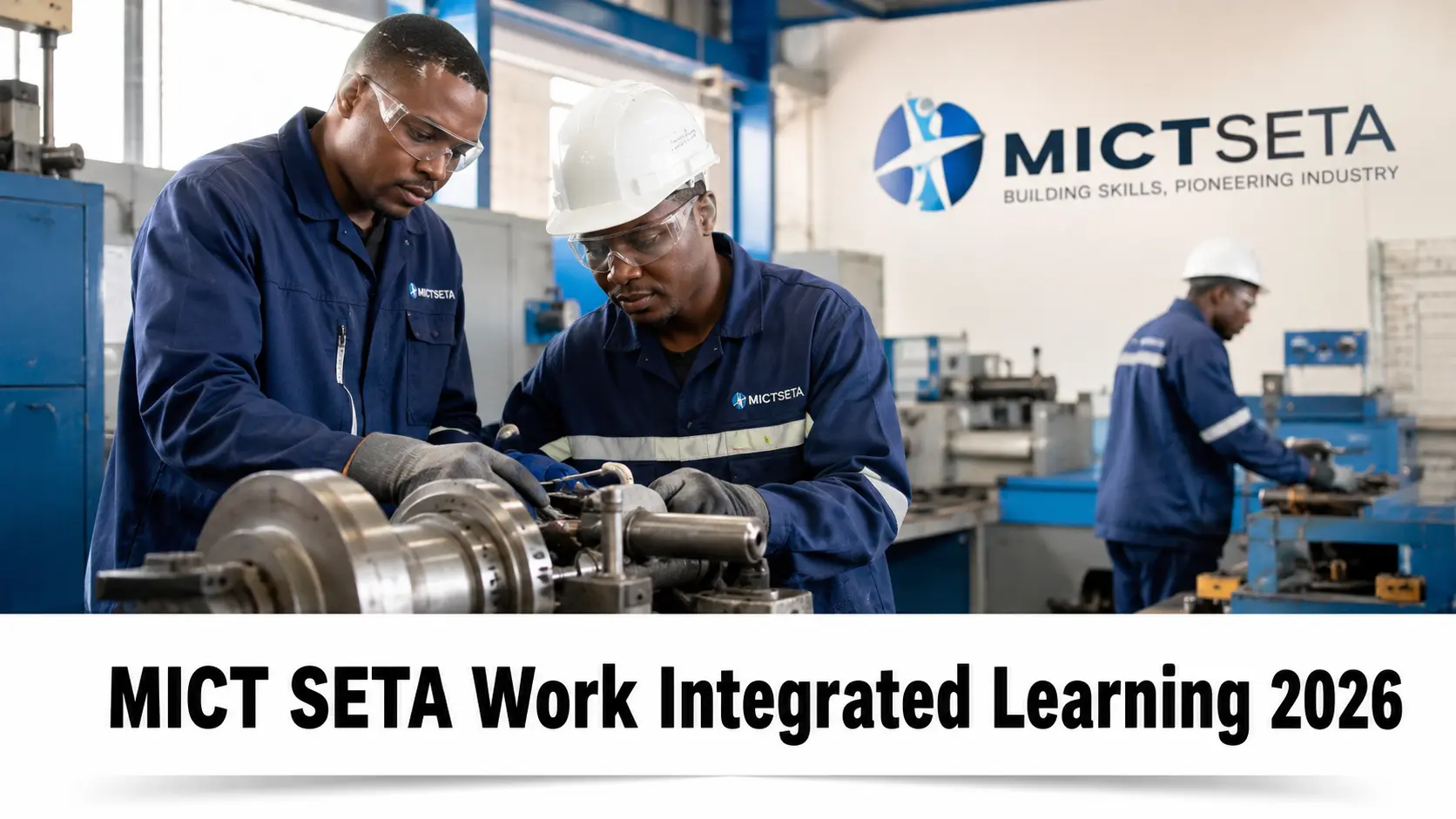
Learn about MICT SETA Work Integrated Learning 2026, including vendor-specific programmes, eligibility requirements, benefits, workplace experience, career opportunities and how to apply for ICT industry training.
MICT SETA Work Integrated Learning 2026: A Complete Guide to Vendor-Specific Training Programmes
South Africa’s digital economy continues to create demand for skilled professionals who can work confidently with modern technologies. To help bridge the gap between education and employment, the Media, Information and Communication Technologies Sector Education and Training Authority (MICT SETA) offers Work Integrated Learning (WIL) programmes that combine academic learning with practical workplace experience.
A key component of these initiatives is the Vendor-Specific Programmes, which provide learners with industry-recognised training aligned with technologies used by leading multinational technology companies. These programmes prepare participants for internationally recognised certification examinations while equipping them with practical skills required by employers in the ICT sector.
Whether you are a student seeking workplace exposure or a graduate looking to strengthen your technical expertise, MICT SETA Work Integrated Learning can provide valuable experience that supports career development in South Africa’s growing digital economy.
Programme Overview
| Programme Information | Details |
|---|---|
| Programme Name | MICT SETA Work Integrated Learning (WIL) |
| Programme Type | Work Integrated Learning |
| Training Focus | Vendor-Specific ICT Programmes |
| Sector | Media, Information and Communication Technologies |
| Duration | Varies depending on the programme |
| Learning Model | Classroom learning combined with workplace application |
| Qualification | Industry-recognised vendor certification and/or programme completion |
| Target Group | Students, graduates and eligible learners |
| Delivery | Accredited training providers and workplace partners |
What Is Work Integrated Learning?
Work Integrated Learning (WIL) is an educational approach that combines academic knowledge with practical workplace experience. Instead of learning only in a classroom, participants apply what they have studied in real professional environments.
This approach helps learners:
- Develop practical workplace skills.
- Understand industry expectations.
- Build confidence in professional environments.
- Improve problem-solving abilities.
- Enhance employability through relevant work experience.
WIL enables learners to transition more effectively from education into employment by exposing them to real industry practices.
What Are Vendor-Specific Programmes?
Vendor-Specific Programmes are specialised short courses designed around technologies developed by internationally recognised technology companies. These programmes focus on practical skills required to install, manage, support or use specific software, hardware or digital platforms.
Many programmes prepare learners for internationally recognised certification examinations that are valued by employers in the ICT industry.
Examples of technology areas may include:
- Networking
- Cloud Computing
- Cybersecurity
- Software Development
- Database Administration
- Technical Support
- Information Security
- Systems Administration
- Digital Infrastructure
The specific technologies available depend on the training provider and industry demand.
Why Vendor-Specific Programmes Matter
Technology evolves rapidly, and employers increasingly require candidates with up-to-date technical skills.
Vendor-Specific Programmes are designed to:
- Meet current industry needs.
- Support global technology standards.
- Prepare learners for internationally recognised certifications.
- Improve workplace readiness.
- Strengthen digital and technical competencies.
- Enhance career opportunities within the ICT sector.
These programmes are particularly valuable for organisations that rely on specialised technologies in their daily operations.
Programme Benefits
Participants in MICT SETA Work Integrated Learning programmes may benefit from:
- Practical workplace experience.
- Exposure to industry-standard technologies.
- Hands-on technical training.
- Improved employability.
- Preparation for international certification examinations.
- Networking opportunities with ICT professionals.
- Enhanced problem-solving skills.
- Better understanding of workplace expectations.
- Increased confidence in professional environments.
Eligibility Requirements
Entry requirements vary depending on the programme and training provider. Applicants may generally be expected to:
- Be a South African citizen (for funded opportunities).
- Meet the academic requirements specified for the programme.
- Be enrolled in or have completed relevant ICT studies.
- Demonstrate an interest in technology-related careers.
- Meet any additional requirements specified by the participating institution or employer.
Applicants should consult the official programme advertisement for specific eligibility criteria.
Skills You Can Develop
Through Work Integrated Learning and Vendor-Specific Programmes, learners can strengthen skills such as:
- Technical problem-solving.
- Networking fundamentals.
- Cybersecurity awareness.
- Software installation and configuration.
- Systems administration.
- Cloud technologies.
- ICT project support.
- Communication skills.
- Team collaboration.
- Professional workplace ethics.
- Customer support.
- Digital troubleshooting.
These skills are highly transferable across the ICT industry.
Career Opportunities
Completing a Work Integrated Learning programme can help prepare learners for entry-level opportunities such as:
- IT Support Technician
- Help Desk Analyst
- Network Support Technician
- Junior Systems Administrator
- Cybersecurity Support Technician
- Cloud Support Associate
- Technical Support Consultant
- ICT Administrator
- Software Support Technician
- Infrastructure Support Assistant
Employment opportunities depend on qualifications, certification achievements and employer recruitment needs.
How to Apply
Interested applicants should:
Step 1
Monitor announcements from MICT SETA and participating training providers.
Step 2
Review the eligibility requirements for the specific Vendor-Specific Programme.
Step 3
Prepare the required application documents, which may include:
- Updated Curriculum Vitae (CV)
- South African ID
- Academic transcripts or qualifications
- Supporting documents requested by the provider
Step 4
Submit your application through the accredited training provider or participating institution according to the advertised instructions.
Where to Apply
Applications are generally submitted through:
- MICT SETA-approved training providers.
- Participating higher education institutions.
- Workplace partners collaborating with MICT SETA.
- Official MICT SETA programme announcements.
Prospective applicants are encouraged to monitor official communication channels for the latest opportunities.
For information on available Vendor-Specific Programmes and short courses, applicants may contact the MICT SETA representative responsible for these initiatives using the contact details published by MICT SETA.
Closing Date
There is no single national closing date for MICT SETA Work Integrated Learning programmes.
Application periods depend on:
- Programme availability.
- Training provider schedules.
- Funding allocations.
- Industry partnerships.
Applicants should regularly monitor official announcements for opening and closing dates.
Frequently Asked Questions
What is Work Integrated Learning?
It is a learning approach that combines academic study with practical workplace experience to help learners apply their knowledge in real work environments.
What are Vendor-Specific Programmes?
These are specialised ICT short courses based on technologies used by leading technology companies and often prepare learners for internationally recognised certification examinations.
Are these programmes accredited?
Programmes are delivered through approved training providers and are aligned with industry requirements. Certification depends on the specific programme and examination requirements.
Who can apply?
Eligibility varies by programme but generally includes students, graduates and learners with relevant ICT backgrounds.
Do these programmes guarantee employment?
No. Participation improves technical skills and employability but does not guarantee permanent employment.
Editorial Policy
This article is published for educational and informational purposes to help prospective learners understand MICT SETA Work Integrated Learning opportunities. Information is based on publicly available guidance from MICT SETA and South Africa’s skills development framework. Programme details, eligibility requirements and application procedures may change over time. Applicants should always verify the latest information through official MICT SETA communications before applying.
Sources and References
- Media, Information and Communication Technologies Sector Education and Training Authority (MICT SETA)
- Department of Higher Education and Training (DHET)
- South African Qualifications Authority (SAQA)
- Quality Council for Trades and Occupations (QCTO)
- Skills Development Act, 1998
Final Thoughts
The MICT SETA Work Integrated Learning 2026 programme provides students and aspiring ICT professionals with an opportunity to combine academic knowledge with practical workplace experience. Through Vendor-Specific Programmes, learners can develop specialised technical skills aligned with current industry demands while preparing for recognised certification examinations.
As digital technologies continue to transform workplaces across South Africa, participating in Work Integrated Learning can help learners build valuable experience, strengthen their CVs and improve their readiness for careers in the ICT sector. Monitoring official MICT SETA announcements and applying through accredited training providers can help you take advantage of these opportunities when new intakes become available.
